
Team & Scientific board

Team & Scientific board

Team

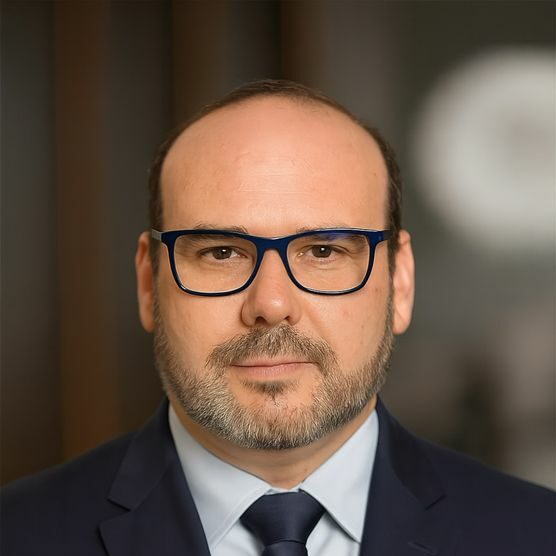
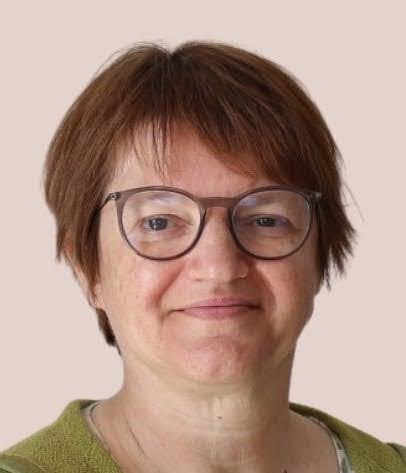
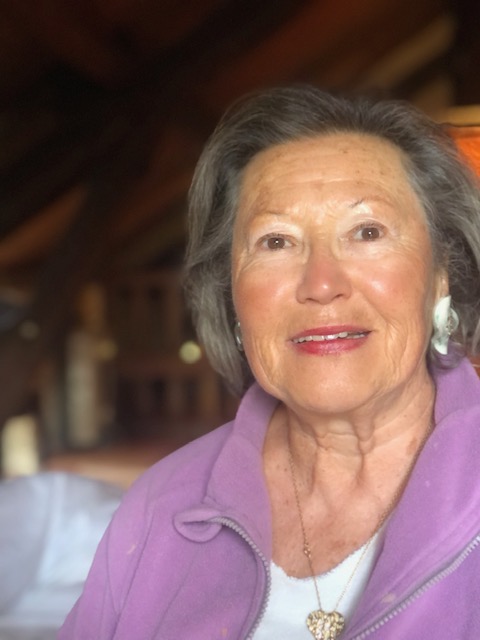
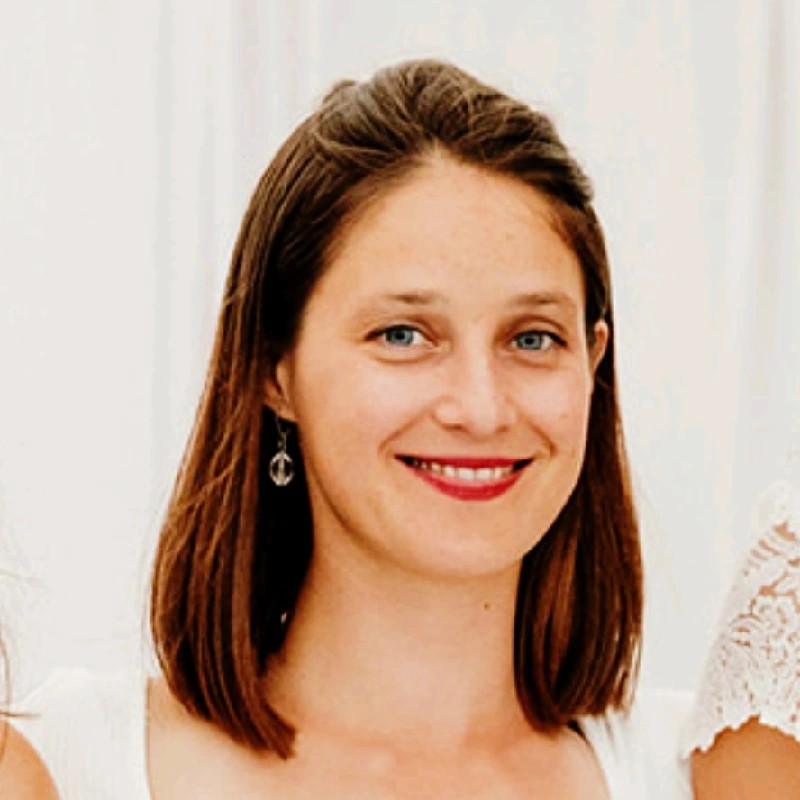
Christiane Laupie-Koechlin
Founder General Secretary
Christiane Laupie-Koechlin
Founder General Secretary

Former administrator of the SPA, former communications director and having worked with European parliamentarians on the adoption of the 1986 directive (86/609/EEC) which aimed to harmonize national legislation concerning the protection of animals used for certain experimental purposes , Christiane Laupie-Koechlin created Pro Anima in 1989 with the support of Professor Théodore Monod and François d'Harcourt, honorary deputy of the National Assembly. Its dual ethical and scientific objective: to do things better and differently than with animal experimentation.

For 35 years, Pro Anima has contributed to greater recognition of non-animal methods in order to enable a more reliable evaluation of chemical substances including medicines.

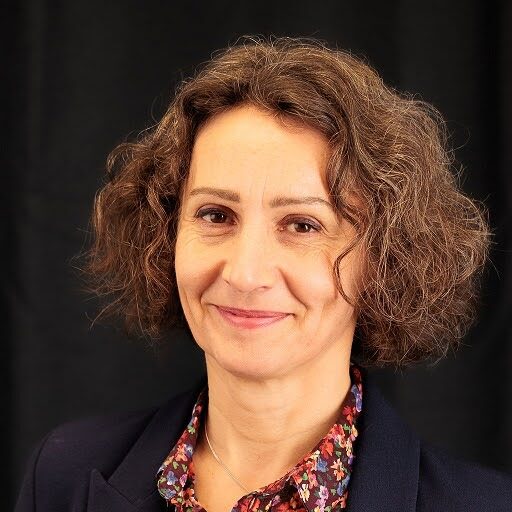
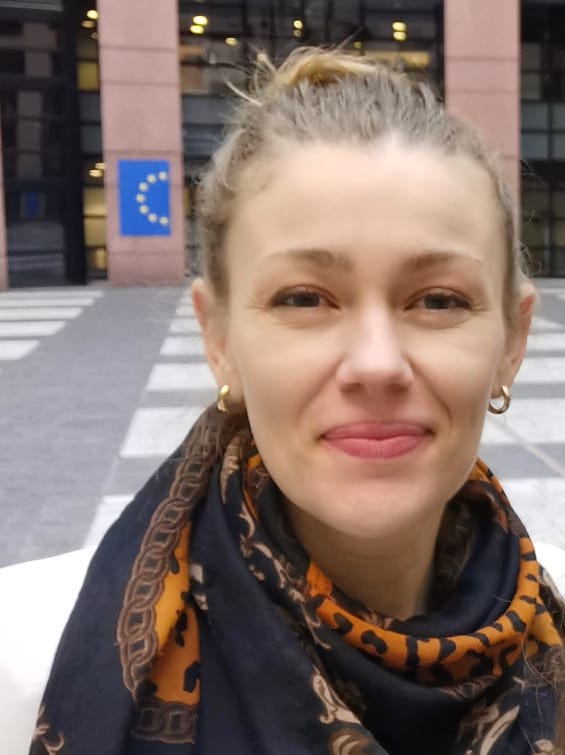
Emeline Gougeon
Head of Development / Strategy 
Emeline Gougeon
Head of Development / Strategy 

Emeline has been in charge of the coordination and strategy of the NGO since late 2020, representing the Committee before various bodies, notably within the European project PARC (Partnership for the Assessment of Risks from Chemicals) as an external stakeholder, or before the ECEAE, a European coalition working to phase out animal testing within the EU.

With a multidisciplinary academic background, graduated from the universities of Versailles St-Quentin, Panthéon-Assas and Panthéon-Sorbonne, combining psychology, law and project management, Emeline brings, in coordination with Christiane and Lilas, her pragmatic and transversal skills and experience for the development of Pro Anima in favor of a better evaluation and acceptance of non-animal methods among different targets (public decision-makers, economic actors and civil society).

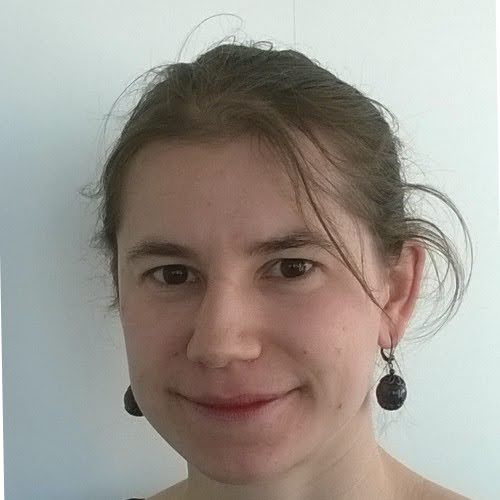
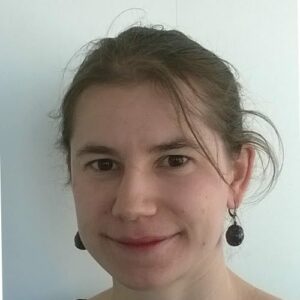
Dr Lilas Courtot
Scientific Manager
Dr Lilas Courtot
Scientific Manager

Within Pro Anima Scientific Committee, Lilas brings her experience and scientific knowledge to participate in the promotion and support of new non-animal methods, by promoting open and constructive dialogue between the different stakeholders, education and training of young people. researchers and influencing policy makers to enable more reliable biomedical research and toxicological testing that benefits humans, animals and the environment.

Lilas holds an engineering degree in biochemistry from INSA Toulouse and a doctorate in oncology from the CRCT / Paul Sabatier University Toulouse III. After completing a post doctorate at the University College of London, Lilas decided to take a step back from university research to devote herself to reflections on a more relevant science to humans, by working as a scientific manager at Animal Free Research UK. Lilas is convinced that the use of human data is crucial to moving towards more ethical and reliable science.

Scientific Board

The Scientific Board is a body comprising high-level experts elected for a three-year term (renewable). Currently chaired by Dr Jean-Pierre Cravedi, its mission is to ensure the scientific rigour of the committee’s actions, issue recommendations, guide its strategic choices and assist in the selection of the winners of the Descroix-Vernier EthicScience Prize.

The current composition covers five major scientific fields: biomedical research, (eco)toxicology, veterinary medicine, agricultural science and human sciences. It meets demanding criteria for scientific recognition, complementary expertise and gender parity, with the careful co-opting of experts from both the public and private sectors.
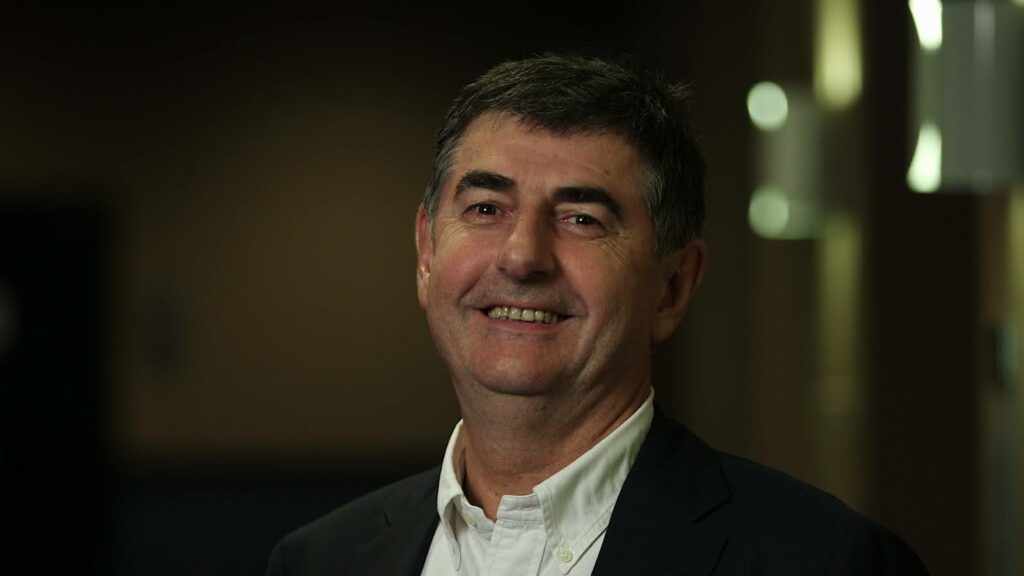
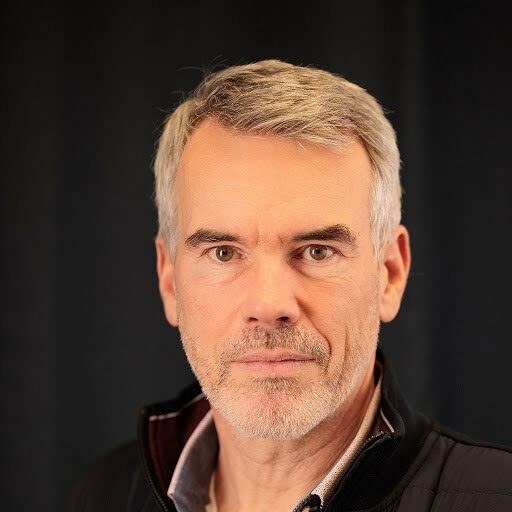
Dr Jean-Pierre Cravedi
President of the Scientific Board
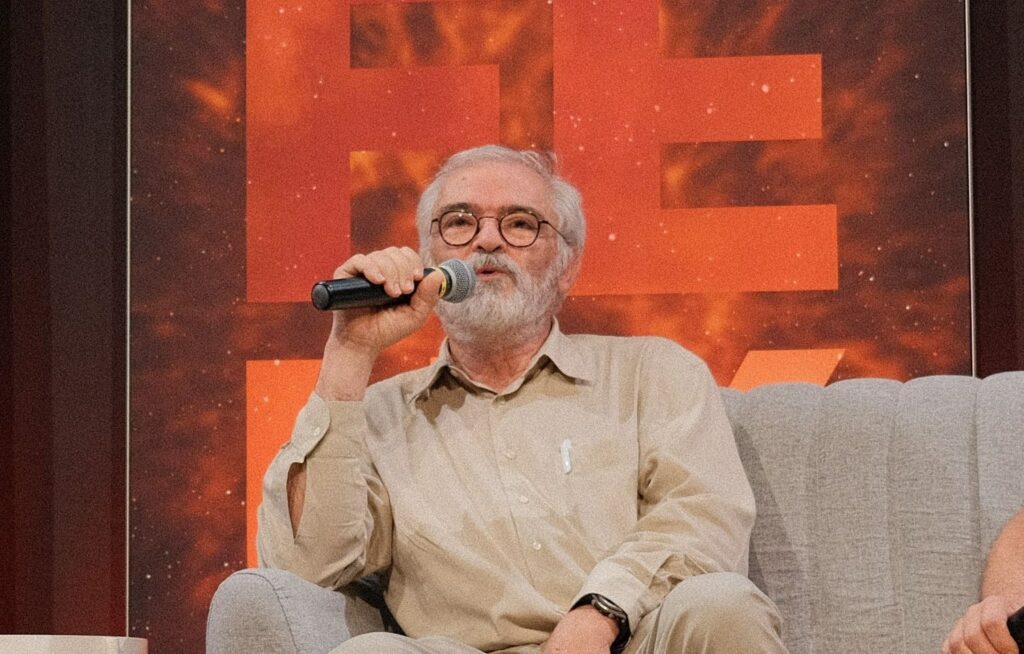
Dr Jean-Pierre Cravedi
President of the Scientific Board
Jean-Pierre is a toxicologist and chair of the Aprifel Scientific Council. A former expert at ANSES and EFSA and director of research at INRAE, he headed the Xenobiotics Joint Research Unit in Toulouse before becoming deputy head of the Human Nutrition Department from 2014 to 2019. His work has led him to study the fate and effects of several contaminants present in the environment or in food, including endocrine disruptors. Chairman of the strategic committee for the Descroix-Vernier EthicScience 2025 Prize, Jean-Pierre now chairs the new scientific council of the Pro Anima committee.
Dr Nicolas Aznar
Dr Nicolas Aznar
Nicolas is a CNRS researcher in cancer biology at the Laboratory of Tissue Biology and Therapeutic Engineering (LBTI) in Lyon. He is the executive director of the SFR Biosciences 3D organoid platform B.I.O. His research focuses on the influence of the microenvironment on stem cells in pathophysiological conditions, particularly in colorectal cancer. He has developed an innovative 3D technology that allows organoids to be cultivated in controlled microenvironmental conditions to better predict therapeutic response. His goal is to bring together fundamental research, technological innovation and precision medicine to improve patient care.
Dr Carole Charmeau
Dr Carole Charmeau
Carole holds a PhD in toxicology and has over 20 years of experience in chemical safety assessment. Committed to integrating alternative methods to animal testing as required by REACH, she has gradually incorporated these approaches into the testing strategies she has implemented in research consultancies. This expertise naturally led her to focus on in silico methods applied to human health, to which she has been fully dedicated since 2018 as Managing Director of KREATiS alongside Dr. Paul THOMAS, with whom she bought the company in 2020. Together with their team, they are scientifically demonstrating the relevance and performance of their models integrated into the iSAFERAT® platform.
Dr Kévin Gillois
Dr Kévin Gillois
Kévin is a research and development manager at Axol Bioscience. With a PhD in toxicology and as a researcher in cellular biology, Kévin develops advanced human in vitro models, particularly using iPSC cells and organ-on-a-chip technologies. He has expertise in various tissues, such as the intestine, lung and retina. Committed to the 3Rs, he contributes to the promotion and evaluation of alternative methods to animal experimentation.
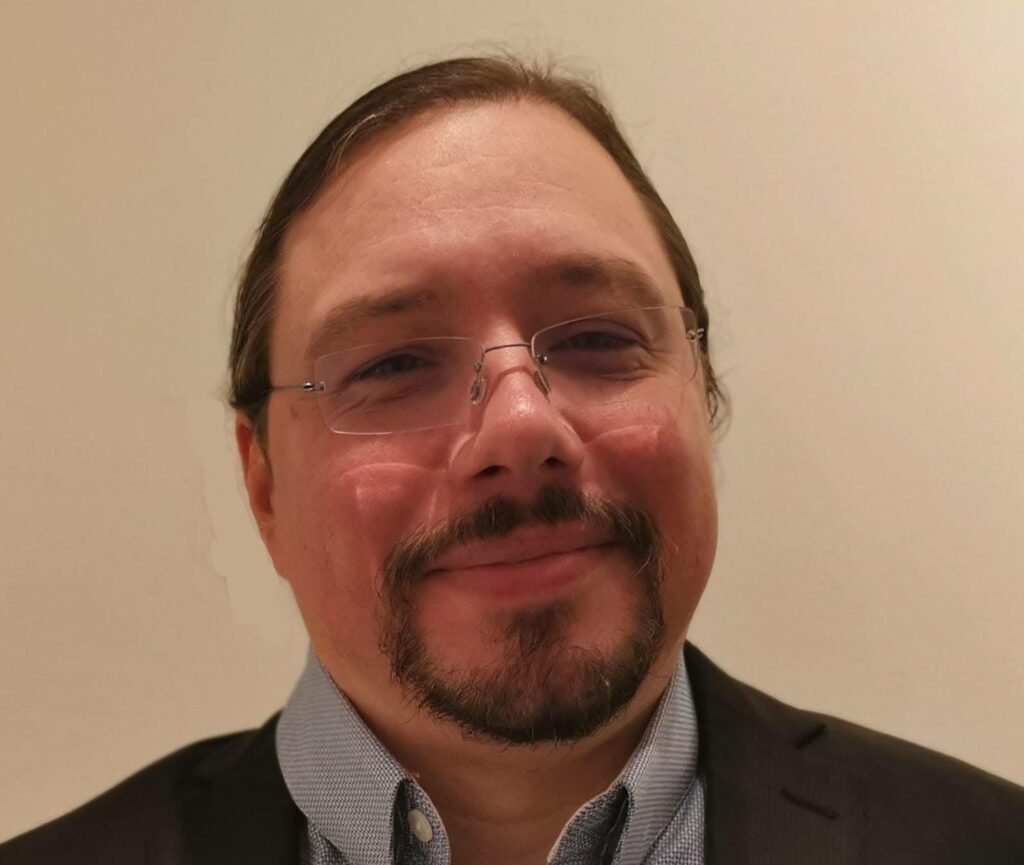
Dr Jean-Dominique Guitton
Jean-Dominique Guitton holds a PhD in Molecular Biophysics from the University of Orléans, obtained in 1982. He has devoted most of his career to pharmaceutical research, particularly upstream research, at Rhône-Poulenc Santé, then Aventis and Sanofi-Aventis. He has held several management positions in France and internationally, notably as head of the Lead Discovery Technologies, Protein Production and Engineering, and Biologics Generation departments. In 2014, as part of Sanofi's skills sponsorship programme, he joined the Alsace BioValley competitiveness cluster. Since 2018, he has been actively involved in leading the French organ-on-a-chip community. In 2023, alongside NETRI, he is co-leading the Organoids and Organs-on-a-Chip theme of Project 14 of the new contract of the Strategic Committee for Health Industries and Technologies.
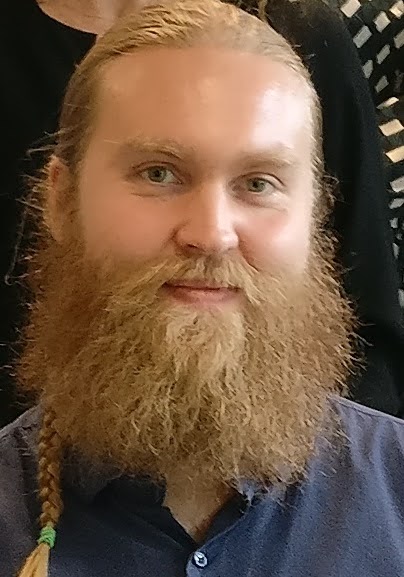
Love Hansell
Love Hansell
Love Hansell is a doctoral student in social sciences, specialising in political science. His research focuses on the social and institutional dynamics that influence the adoption — or rejection — of NAMs in chemical and pharmaceutical regulations. Passionate about the prospects of accelerating the dissemination and integration of these innovative approaches, and convinced of the need to develop a more ethical and effective science, he wishes to put his expertise, in a spirit of collaboration and transdisciplinarity, at the service of the SAFE consortium and Pro Anima's mission. Its objective is to contribute to the organisation's NAM communication and dissemination strategy, as well as to the emergence of new strategic collaborations in this field.
Prof Sophie Lelièvre
Sophie is a veterinary doctor and holds a PhD in Molecular and Cellular Pharmacology (Paris VI). She heads the SCaT (Cancer Sensitivity to Treatment) laboratory at the Institut de Cancérologie de l'Ouest (ICO) and is Professor Emeritus of Cancer Pharmacology at Purdue University (USA). In 1995, Sophie Lelièvre joined Mina Bissell in Berkeley (USA), a pioneer in 3D cell culture and the originator of microphysiological systems (MPS), to develop her research in cancerology. At Purdue, known for engineering, she participated in the rise of MPS. She created the Cancer Engineering Platform at the ICO to assist in the development and training in the use of MPS.
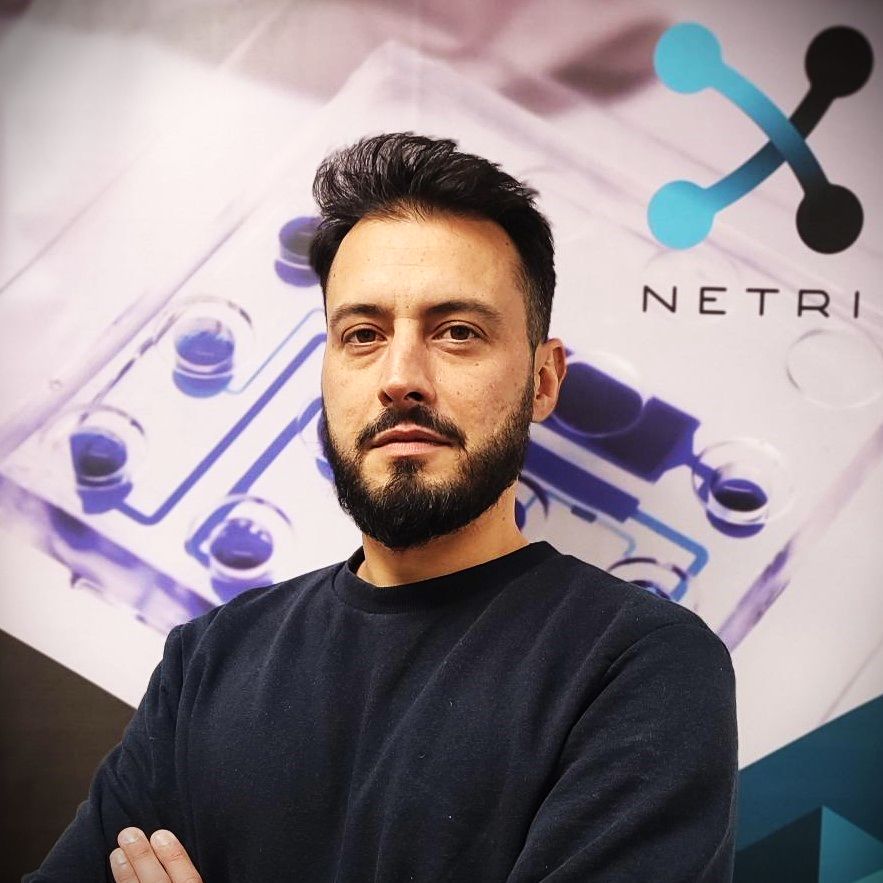
Dr Benoît Maisonneuve
Benoît is Director of Strategic Partnerships and Regulatory Affairs at NETRI. With a dual PhD in rheology and bioengineering, I have contributed to the development of innovative technologies such as brain-on-a-chip, age-related disease models, 3D hydrogels and CRISPR/Cas9 approaches. His career has also led him to work for several years in pharmaceutical development, clinical trial management and regulatory strategy. An active member of international committees and standardisation commissions, he is committed to advancing science and shaping the future of alternative methodologies.
Dr Julien Narbonne
Dr Julien Narbonne
Julien is a toxicologist specialising in regulations and plant protection products, with over 20 years' experience in risk assessment and regulatory affairs. With a Specialised Master's degree in Environment and Industrial Risks (ENSCPB) and a DES in Ecotoxicology (University of Bordeaux 1), he has developed recognised expertise in the approval of plant protection products, particularly in the field of pollution biomarkers and the assessment of risks to human health and the environment. Currently Country Regulatory Manager and Secretary General of the Toxicology and Chemistry Association since 2016, he actively contributes to professional training and regulatory developments.
Dr Michel Rochette
Dr Michel Rochette
Michel graduated from the University of Nice, where he obtained a PhD in mathematics in 1990. In 1994, he founded a start-up specialising in acceleration and parameterisation techniques for numerical simulation, which was acquired by Ansys, where he led research on customised simulation and reduced-order modelling. As head of development for Ansys' medical initiative, he oversees the development and validation of vertical medical applications developed with partners. His most recent work has been incorporated into Ansys' Twin Builder solution, and he has also published a set of open-access beating heart models for testing medical devices and drugs in silico.
Dr Paul Thomas
Dr Paul Thomas
Paul holds a PhD in ecotoxicology and began his career by setting up the ecotoxicology department at a CRO, where he served as study director for four years, followed by 12 years as an ecotoxicologist in the chemical industry. In 2008, he joined a French consulting firm as director of the Lyon office, specialising in REACH, and headed the (eco)toxicology team. In 2014, while continuing his consulting activities, he founded KREATiS, a company dedicated to the creation of high-precision QSAR models and other in silico models, with the aim of replacing animal testing for REACH and other regulations. In 2020, he bought KREATiS with Dr Carole Charmeau. Together, they developed KREATiS by integrating new models into the iSAFERAT® platform while adopting innovative technologies such as machine learning and 3D models.
Dr Marc Veilly
Dr Marc Veilly
Marc is a graduate of the National Veterinary School of Toulouse (ENVT). After completing his military service at the Pasteur Institute in French Guiana in Cayenne, working in a malaria research unit, he practised with pets and farm animals in the Centre region before working for 18 years in the agri-food industry. For the past 15 years, he has been working as a consultant and expert for agri-food and veterinary pharmaceutical companies, as well as holding elected positions within the veterinary profession. As the direct transposition of research results obtained on animals to humans is not always effective, his interest in alternative research methods that do not involve animals has gradually developed, encompassing animal welfare considerations in his thinking.
Christiane Laupie-Koechlin
Founder General Secretary

Former administrator of the SPA, former communications director and having worked with European parliamentarians on the adoption of the 1986 directive (86/609/EEC) which aimed to harmonize national legislation concerning the protection of animals used for certain experimental purposes , Christiane Laupie-Koechlin created Pro Anima in 1989 with the support of Professor Théodore Monod and François d’Harcourt, honorary deputy of the National Assembly. Its dual ethical and scientific objective: to do things better and differently than with animal experimentation.

For 35 years, Pro Anima has contributed to greater recognition of non-animal methods in order to enable a more reliable evaluation of chemical substances including medicines.

Emeline Gougeon
Head of Development / Strategy 

Emeline has been in charge of the coordination and strategy of the NGO since late 2020, representing the Committee before various bodies, notably within the European project PARC (Partnership for the Assessment of Risks from Chemicals) as an external stakeholder, or before the ECEAE, a European coalition working to phase out animal testing within the EU.

With a multidisciplinary academic background, graduated from the universities of Versailles St-Quentin, Panthéon-Assas and Panthéon-Sorbonne, combining psychology, law and project management, Emeline brings, in coordination with Christiane and Lilas, her pragmatic and transversal skills and experience for the development of Pro Anima in favor of a better evaluation and acceptance of non-animal methods among different targets (public decision-makers, economic actors and civil society).

Dr Lilas Courtot
Scientific Manager

Within Pro Anima Scientific Committee, Lilas brings her experience and scientific knowledge to participate in the promotion and support of new non-animal methods, by promoting open and constructive dialogue between the different stakeholders, education and training of young people. researchers and influencing policy makers to enable more reliable biomedical research and toxicological testing that benefits humans, animals and the environment.

Lilas holds an engineering degree in biochemistry from INSA Toulouse and a doctorate in oncology from the CRCT / Paul Sabatier University Toulouse III. After completing a post doctorate at the University College of London, Lilas decided to take a step back from university research to devote herself to reflections on a more relevant science to humans, by working as a scientific manager at Animal Free Research UK. Lilas is convinced that the use of human data is crucial to moving towards more ethical and reliable science.