

NAMs Live Talks
Session 5: Advancing Women’s Health Through NAMs
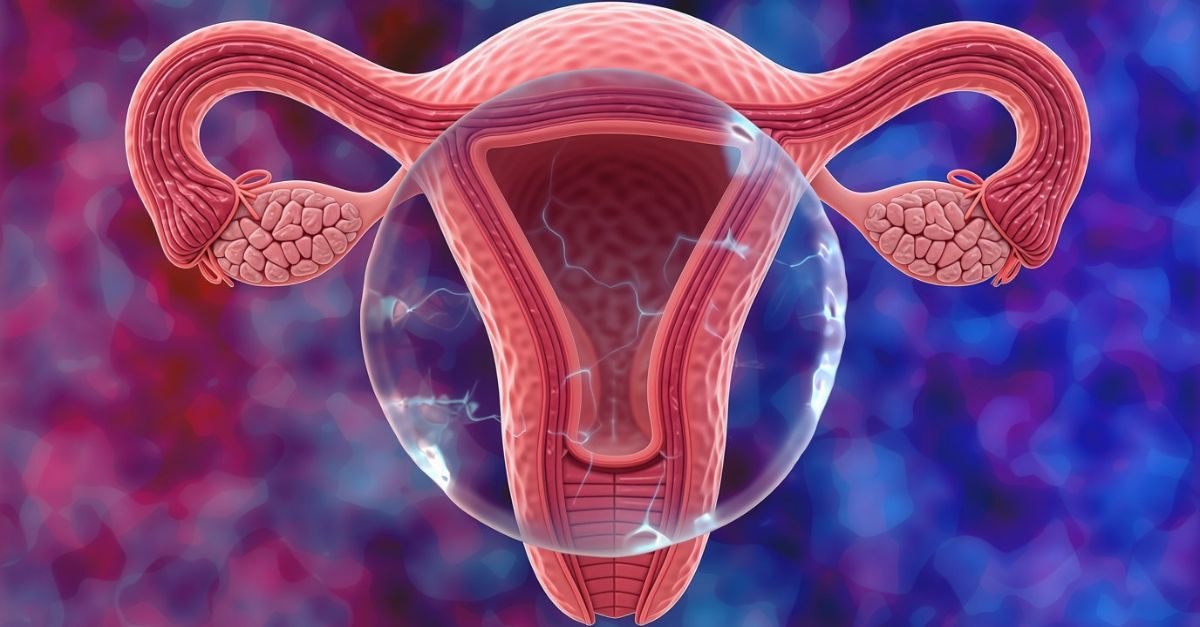
Women’s health has historically been underrepresented in biomedical and clinical research, with important implications for how we understand disease, assess safety, and develop effective treatments. We now know that biological sex can influence disease mechanisms, responses to medicines, and susceptibility to adverse effects. Yet many traditional preclinical models do not adequately capture the complexity of female physiology, limiting their ability to generate truly representative evidence. Against this backdrop, New Approach Methodologies, or NAMs, are opening new possibilities by enabling more human-relevant and sex-specific models that can improve both scientific understanding and health outcomes.
The discussion explored how these innovative approaches, especially organ-on-chip technologies, can help address long-standing gaps in women’s health research and contribute to more inclusive and predictive science.
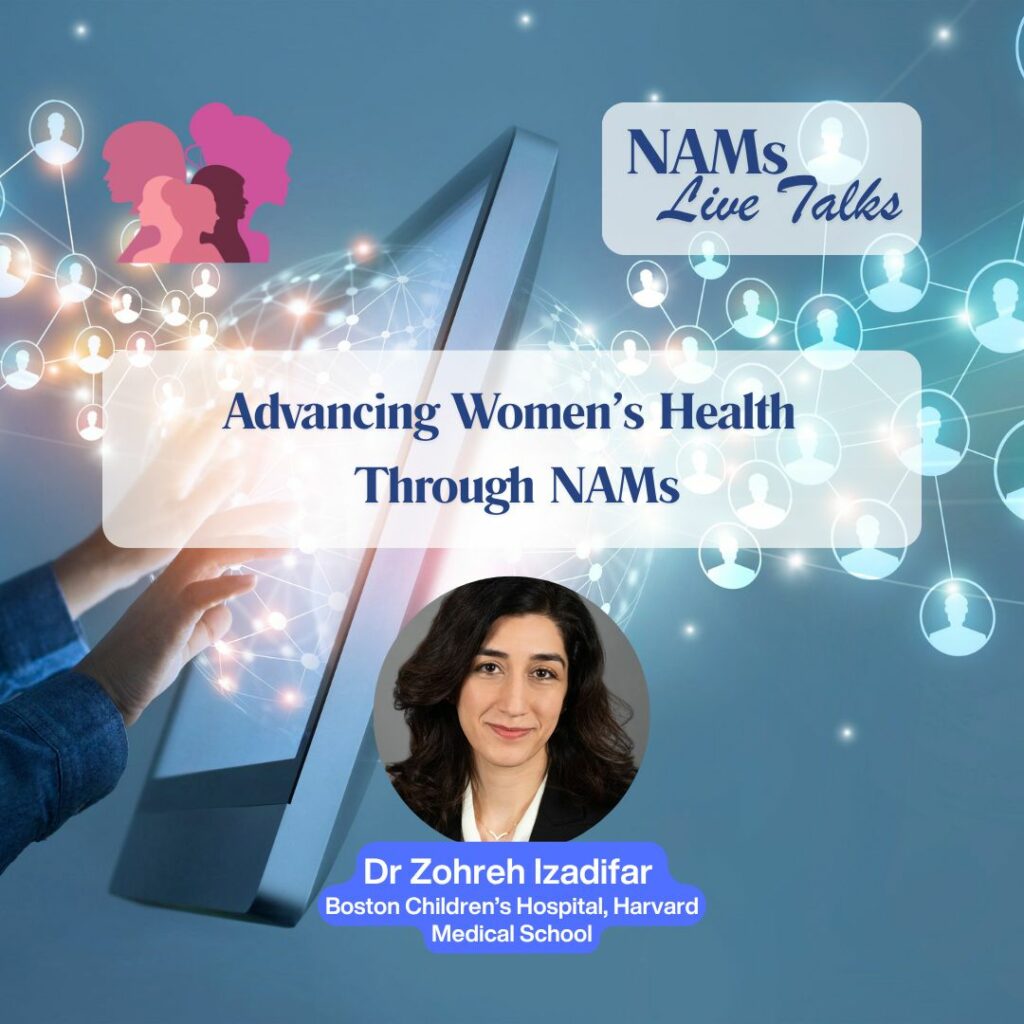
Guest: Dr. Zohreh Izadifar, Assistant Professor, Boston Children’s Hospital & Harvard Medical School; Research Scholar, Wyss Institute for Biologically Inspired Engineering, Harvard University
Dr. Zohreh Izadifar is an Assistant Professor at Boston Children’s Hospital and Harvard Medical School, and a Research Scholar at the Wyss Institute for Biologically Inspired Engineering at Harvard University. Her work brings together bioengineering, biomaterials, microbiology, and medical science to develop human tissue constructs and Organ-on-Chip models for reproductive and urogenital health research. She previously led the development of the first preclinical human Cervix Chip model at the Wyss Institute and the next generation multifunctional sensor-integrated Organ Chip platform. Her research has been recognized through more than 30 publications and over 25 awards and honors. In addition to her academic work, Dr. Izadifar is committed to advancing translational innovation and serves as one of the leads in Regenerative Medicine Manufacturing Society, helping connect academia, industry, and policy to accelerate biomedical progress.
NB: Due to technical difficulties, our guest was unable to turn on her camera. We sincerely apologize for the inconvenience and appreciate your understanding.