

Panels de Discussion : Science & Dialogue
Session 3 : Recherche non animale — Quelles approches pour sensibiliser les publics ? (In french)
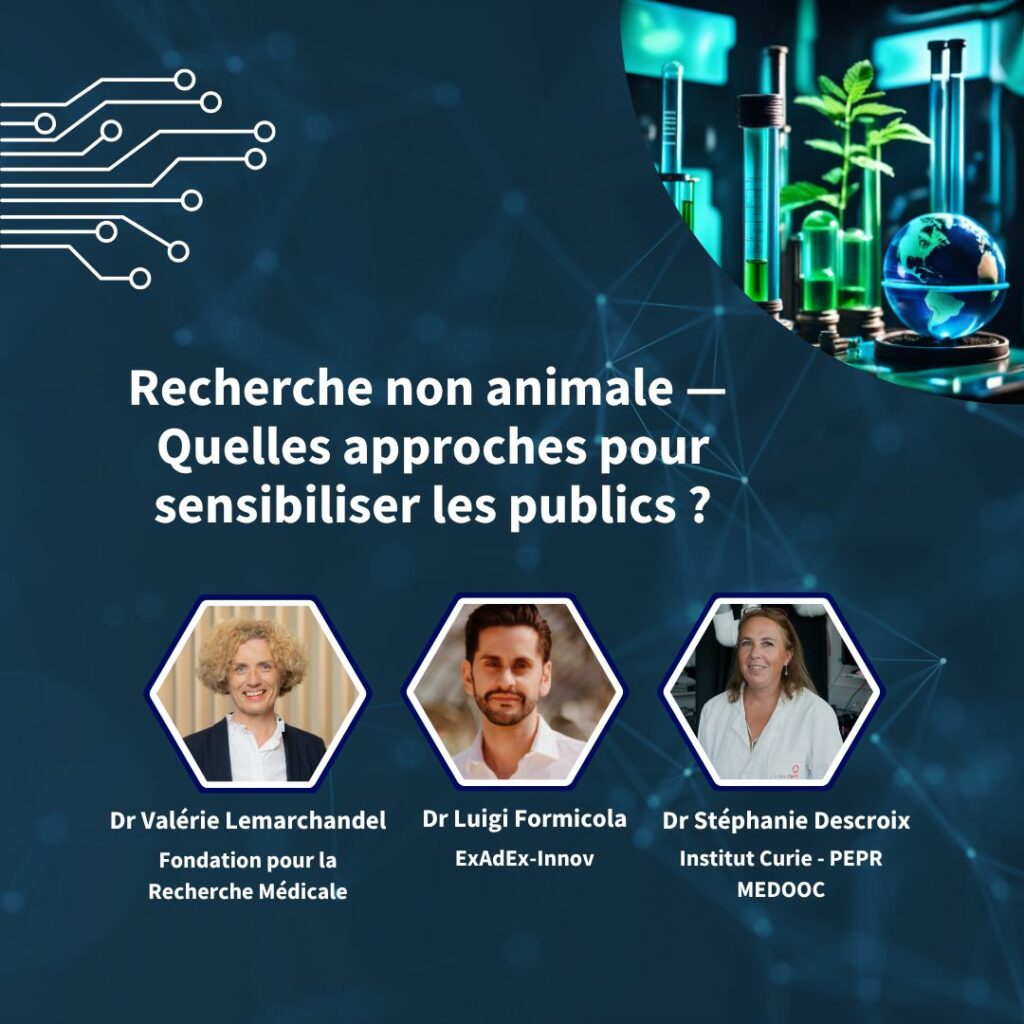
The Pro Anima Scientific Committee was honored to co-organize the 3rd edition in partnership with the Foundation for Medical Research (FRM). After discussing the central issues of regulatory acceptance and harmonization of NAMs in the first two panels, with internationally renowned speakers, this third panel will focus on the essential question of public awareness, the methods, and challenges that researchers, institutions, and the media are tackling to meet the needs for trust and information in civil society in the face of new 21st-century science, which is more reliable and respectful of human, animal, and environmental health (according to the One Health or global health concept).
The session was co-moderated by Dr Athanassia Sotiropoulos, Director of the French 3R Centre (FC3R) and Dr Lilas Courtot, Scientific Director of the Pro Anima Scientific Committee. The two moderators had the pleasure of discussing and giving the floor to leading speakers on the issues of new research methods, health and public information, namely Dr Valérie Lemarchandel, Scientific Director of the FRM and Dr Stéphanie Descroix, Research Director at the Institut Curie.
Many thanks to our panelists and moderators for these rich, complex and stimulating exchanges. And thanks also to the participants and to the Fondation pour la Recherche Médicale for its participation and support in organizing this event. We will soon be publishing a report to share these reflections with as many people as possible, and continue to make progress on these vital issues.
Participants
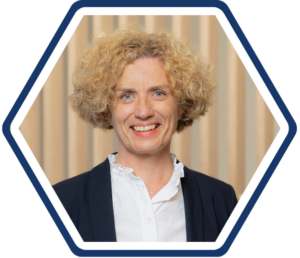
Valérie Lemarchandel holds a doctorate in biology and is a research director at the CNRS. Between 1989 and 2006, she carried out research in haematology, embryonic development and molecular genetics. She was then in charge of scientific communication for 4 years within the management of the CNRS Institute of Biological Sciences.
Since 2010, she has been Scientific Director of the Fondation pour la Recherche Médicale and a member of its Executive Board.
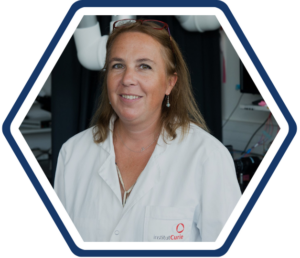
Stéphanie Descroix is currently Director of Research at the CNRS and head of the Macromolecules and Microsystems in Biology and Medicine research team at the Institut Curie Paris and the Institut Pierre Gilles De Gennes. Her team is internationally recognised for the development of microfluidic devices and concepts (organs-on-a-chip) for fundamental biology, biophysics and the clinic, with a strong commitment to technology transfer in the field of medicine and life sciences. She is deputy director of the French national network on microfluidics (GDR MNF). She is the author of over 90 scientific publications and has participated in several highly selective European projects. In 2016, she successfully co-launched the microfluidics-based company Inorevia, which has received awards from several prestigious French and European institutions. More recently, Stéphanie has distinguished herself for her contribution to the MED-OOC project (Organs and Organoids-on-Chips), supported by CNRS, Inserm and CEA, which aims to develop a new generation of organs and organoids on chips, capable of mimicking the physiology or pathology of the patient’s organ, with the aim of using it for personalised medicine.
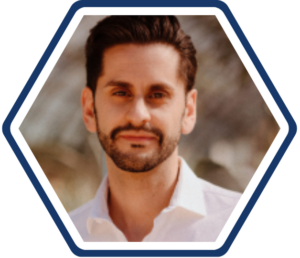
Luigi Formicola is co-founder and COO of ExAdEx-Innov, an innovative startup with the ambition to revolutionize adipose tissue research with patented ex vivo models that faithfully reproduce human fat.
With a PhD in cell biology, he has over ten years’ experience in research project management and technology transfer in the biotech sector, as well as in drug development. He has thus witnessed developments in preclinical research and the emergence of alternative solutions aimed at reducing the need for animal experimentation while improving the predictability of clinical trials.our paths will cross